Complete Guide to Upgrading Your Bathroom With a Custom Shower
Thinking about giving your bathroom a fresh, new look? A custom shower might just be the game-changer you’re looking for. It can do much more than just swap out an old stall. It can transform the entire vibe and functionality of your bathroom. Whether you're dreaming of a spa-like oasis, need easier access, or just want a smarter layout, a well-thought-out shower upgrade is the ticket to turning a mundane bathroom into something special. Let’s dive into how you can plan, design, and build a shower that stands out.
Most folks start with a basic idea, but looking at the big picture can really pay off. This means getting a handle on your current setup, picking the right features, and teaming up with skilled pros who can bring your vision to life. Sometimes, it’s worth considering a broader bathroom remodeling or even a complete home makeover to ensure everything flows together. And if you’re not sure where to start, a design consultation can help you weigh your options before you dive in.
Did you know that water-efficient fixtures can help cut down household water use without sacrificing performance? That’s according to the U.S. Department of Energy’s Energy Saver program. A custom shower lets you blend comfort, efficiency, and style into one impressive upgrade.
Why a Custom Shower Is a Smart Bathroom Upgrade
It improves everyday comfort
Your shower is one of the most-used spots in your home, so making it better can really enhance your daily routine. A custom shower can be tailored to fit your height, storage needs, mobility, and how you use the room. Instead of just making do with a standard setup, you get a space that feels made just for you.
Comfort comes from features like built-in benches, handheld sprays, body jets, and better lighting, turning a rushed morning into a calming start. Even a simple upgrade can make your bathroom feel more polished and practical when the layout is well planned.
It adds visual value
Often, the shower is the star of the bathroom, especially if it features unique tile work, glass doors, or a sleek enclosure. Since it takes up a lot of visual space, upgrading it can instantly lift the entire room. The right finishes can make a small bathroom feel bigger and a dated one feel brand new.
Coordination is key here. If your shower tiles, vanity, flooring, and fixtures all work together, your bathroom feels more like a cohesive design and not just a collection of parts. Many people pair shower enhancements with kitchen updates or other major changes because once they see the impact of good design, they want that consistency throughout their home.
It can support long-term home value
Bathroom updates are always a hit with buyers. A clean, stylish shower shows that the home is well cared for and thoughtfully updated. While your remodel should focus on your own needs, it's nice to know that a great design can also boost your home’s resale value.
Sources like the National Association of Home Builders often highlight how functional, updated bathrooms attract buyer interest. A shower update is especially valuable when it improves layout, adds storage, or replaces worn materials with durable, modern finishes.
Planning the Right Shower Layout
Start with the existing footprint
Your first step in a shower remodel is to understand the current layout. Sometimes, it’s best to work within the existing space. Other times, a slight shift in walls, plumbing, or partitions can greatly improve flow and usability. A good contractor will take a close look at the room before making suggestions.
Think about how much room you need for moving around, door swings, and accessibility. A shower that's too cramped can be frustrating, while a well-proportioned design can make the whole bathroom feel bigger. That’s why planning is so crucial before you choose materials.
Consider walk-in versus enclosed styles
Walk-in showers are popular for their open, modern feel and easy maintenance. They’re especially great in small bathrooms because they cut down on visual clutter. Enclosed showers, however, can provide more privacy, better steam control, and a bold design statement.
There’s no one-size-fits-all choice. The best option depends on your space, daily habits, and whether you prefer an open look or a more private bathing area. A pro can help you weigh these styles while considering your plumbing and structural constraints.
Think about future use
Your bathroom should work for your needs today and how they might change over time. This might mean adding a low-threshold entry, wider clearances, reinforced walls for grab bars, or a shower bench for convenience now and accessibility later. Thoughtful planning can help you avoid the need for another remodel too soon.
If you're remodeling multiple parts of the house, a coordinated plan with home repairs can also address small issues that affect the bathroom, like damaged drywall or outdated trim. Sometimes, those little details are what make the final remodel feel complete.
Custom Shower Features That Make a Big Difference
Built-in storage and niche shelving
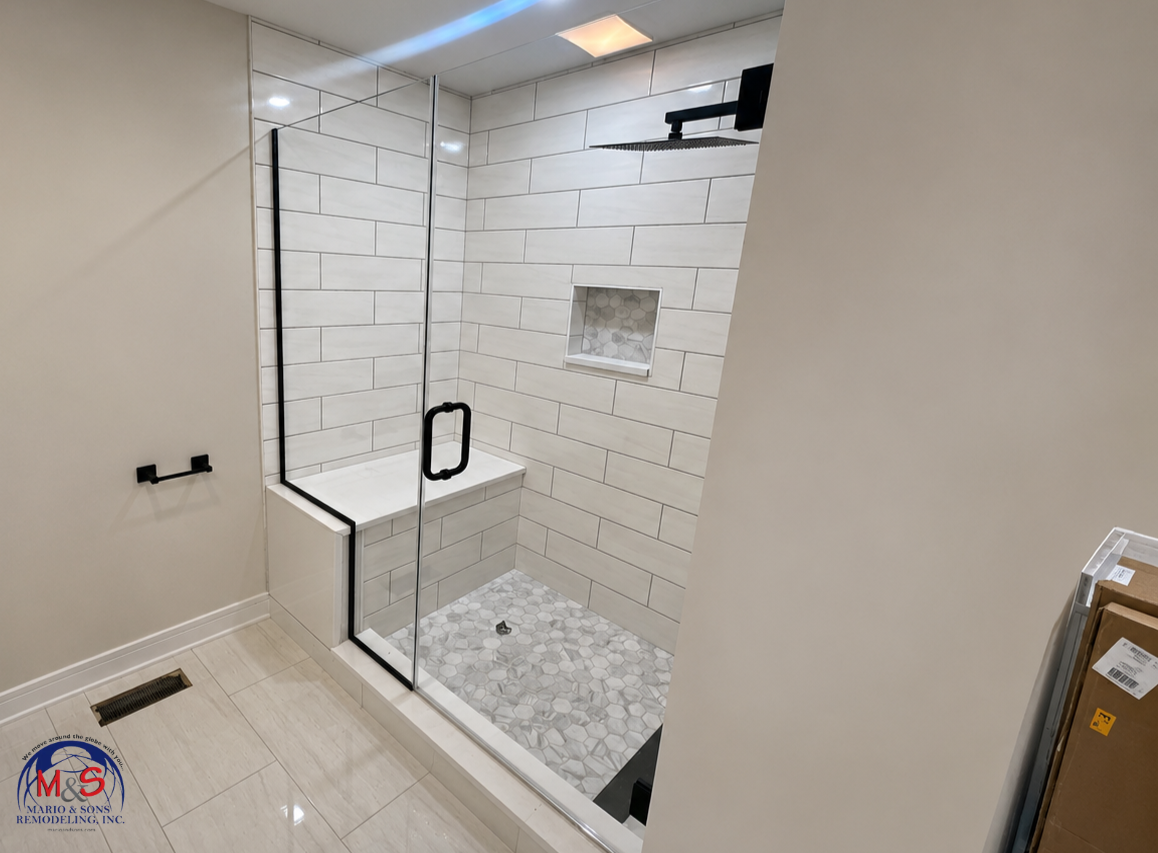
One of the most practical upgrades for a custom shower is storage. Built-in niches, corner shelves, and recessed ledges keep soaps, shampoos, and razors off the floor and within easy reach. Good storage helps reduce clutter, making the shower easier to clean and more visually appealing.
Placement matters as much as the storage itself. A niche that's too high or too low can be inconvenient, and poor planning may interfere with plumbing or tile patterns. When done right, storage blends into the design and enhances daily function.
Bench seating and comfort features
A shower bench is a multi-tasker. It offers a place to sit, a surface for shaving or washing, and a design element that makes the shower feel more luxurious. Some prefer a full-length bench, while others opt for a compact floating ledge that adds comfort without taking up too much space.
Comfort features can include thermostatic controls, rain showerheads, handheld sprayers, and multiple spray zones. These upgrades aren’t just about luxury; they make the shower easier and more enjoyable for everyone, regardless of age or preference.
Glass enclosures and tile details
Clear glass doors and panels are a favorite in modern shower design because they make the bathroom feel more spacious. They also allow tile work to shine, making your materials a part of the overall design statement. If you want your bathroom to feel bright and open, glass is a solid choice.
Tile selection should balance beauty and maintenance. Porcelain, ceramic, and natural stone each offer different perks, and the right choice depends on your budget, style, and cleaning preferences. If you want surface material ideas that pair well with your bathroom project, our article on premium kitchen countertops in Maywood might offer some inspiration.
Materials That Balance Style and Durability
Tile selection for walls and floors
Bathroom materials need to withstand moisture, temperature changes, and frequent cleaning. Tile is often the go-to for shower walls and floors because it’s durable, versatile, and comes in many styles. Large tiles create a sleek, modern look, while smaller tiles or mosaics can improve traction on shower floors.
The best tile isn’t always the fanciest. It's the one that offers the right mix of style, slip resistance, easy maintenance, and longevity. A good contractor can help you compare options based on where the tile will be and how much upkeep you’re comfortable with.
Grout, sealing, and maintenance
Grout may be easy to overlook, but it plays a huge role in your shower’s long-term performance. Proper grout selection and sealing help prevent staining, moisture intrusion, and wear. In high-use showers, the wrong grout can lead to unnecessary cleaning headaches and future repairs.
Maintenance should be a part of your planning from the start. If you choose natural stone, sealing routines may be more crucial than with porcelain. The goal is to pick a material system that suits your lifestyle, not just your design board.
Fixtures and finishes
Shower fixtures should fit with the rest of the bathroom. Brushed nickel, matte black, polished chrome, and warm metallic finishes each create a different vibe. The right finish depends on your style and how much cleaning visibility matters to you.
Quality is as important as appearance. A well-made valve, showerhead, and trim set can boost performance and reduce future issues. When plumbing fixtures are reliable and the finish is consistent, the whole bathroom feels more polished.
How a Custom Shower Improves Efficiency and Function
Better water use and performance
Modern shower systems can save water without skimping on a satisfying experience. Low-flow showerheads, well-designed valves, and balanced spray systems cut waste while still delivering strong performance. The EPA WaterSense program is a good resource for homeowners seeking efficient plumbing fixtures that meet performance standards.
Efficiency also involves day-to-day use. A well-planned layout can reduce splash, improve drainage, and minimize constant cleaning. These small perks add up over time, making the bathroom easier to live with.
Improved lighting and visibility
Lighting is often overlooked in shower design. If a shower area is too dim, it can feel cramped and inconvenient. Good lighting makes the room safer, more attractive, and more practical for grooming tasks.
Layered lighting, like overhead fixtures, vanity lighting, and accent lighting, can help the bathroom feel brighter and more balanced. If your project includes larger layout changes, it might be useful to discuss the whole-room flow through basement remodeling or other property upgrades so the home feels consistent throughout.
Accessibility and universal design
Universal design is gaining popularity because it makes spaces usable for people of all ages and abilities. A curbless or low-threshold shower, wider entry, and strategically placed grab bars make the room easier to use now and in the future. These features are especially helpful if you plan to stay in your home long-term.
Accessibility doesn't have to look clinical. With smart material choices and quality construction, accessible design can still feel elegant and modern. The key is to blend practical features into a design that feels warm and stylish.
What to Expect During the Remodeling Process
Design and material selection
The remodeling process usually kicks off with measuring, discussing, and planning the design. This is when you decide on the shower layout, tile, fixtures, glass, and any special features you want. Good planning helps reduce surprises later and boosts your confidence in the end result.
Experienced guidance is super valuable at this stage. A contractor can point out tradeoffs you might not have considered, like how tile size affects cleaning or how a glass door changes traffic flow. For many homeowners, a design consultation is especially helpful here.
Demolition and construction
Once the plan is set, the old materials are removed, and the new work begins. This might include plumbing updates, waterproofing, framing changes, drywall repair, tile installation, and glass fitting. A well-managed project should follow a logical sequence so each step supports the next.
Waterproofing is one of the most crucial steps in the process. If it's not done right, even a beautiful shower can become a headache later. That’s why craftsmanship should be prioritized over just appearance.
Final details and walkthrough
The last stage of the project involves finishing touches, cleanup, and a final review of how everything works. This is the time to check the shower door, spray pattern, caulking, storage placement, and overall finish quality. A good contractor will want to ensure the details are spot-on before wrapping up.
A final walkthrough also gives homeowners a chance to ask maintenance questions. Knowing how to care for tile, glass, and fixtures can help protect your investment and keep your bathroom looking great for years.
Budgeting for a Custom Shower Remodel
Where the money typically goes
Project budgets vary based on size, materials, plumbing changes, and labor complexity. A large chunk usually goes toward demolition, waterproofing, tile work, plumbing, fixtures, and enclosure installation. Custom elements like benches, niches, and specialty glass can also impact the total cost.
Instead of focusing solely on the cheapest option, it’s often smarter to invest in parts of the project that impact durability the most. A high-quality waterproofing system or better tile installation can offer more value than a short-term cosmetic upgrade.
How to prioritize features
If you need to manage your budget carefully, start with the essentials: a strong layout, reliable waterproofing, durable materials, and quality fixtures. Then decide which upgrades will matter most to you day-to-day. For one person, it might be a bench; for another, it could be a handheld spray or upgraded lighting.
The best budgets are flexible enough to support the most important improvements without forcing unnecessary compromises. A remodel should feel tailored to your priorities, not built around a one-size-fits-all package.
Planning for long-term value
A smart budget looks beyond the immediate project cost. Consider how long the shower will last, how easy it will be to maintain, and whether it will still meet your needs five or ten years from now. A slightly higher initial investment can pay off through better durability and fewer repairs.
If you’re evaluating related improvements in the same home, a broader renovation plan may help you use time and labor more efficiently. Some people coordinate bathroom updates with other services like home repairs to keep the whole property in good shape.
Common Mistakes to Avoid
Choosing style before function
It’s easy to fall for a pretty picture and overlook practical concerns. A gorgeous shower can still be frustrating if the bench is too small, the niche is awkwardly placed, or the door swings into the wrong area. Function should guide style, not the other way around.
The best designs are both attractive and practical. When the layout supports your routine, the room feels naturally better every time you use it. That’s the real benefit of custom work.
Skipping waterproofing details
Waterproofing isn’t the place to cut corners. Hidden moisture problems can damage framing, drywall, and adjacent rooms, leading to costly repairs later. Proper membranes, seals, and slope planning protect the structure behind the tile and keep the shower performing as intended.
Guidance from the Federal Emergency Management Agency emphasizes the importance of moisture management in keeping building materials safe from long-term damage. While a shower isn’t the same as flood recovery, the principle is similar: controlling water is crucial to protecting your home.
Not planning for maintenance
Some homeowners choose materials without considering how much upkeep they require. Glossy surfaces may show water spots, while textured finishes may be harder to clean. The right choice depends on how much maintenance you want to take on after the project is complete.
A contractor can help you choose finishes that fit your lifestyle, so the shower stays attractive without becoming a chore. That practical perspective is what turns a nice remodel into a truly successful one.
Why Work With an Experienced Remodeling Team
Better coordination and fewer delays
Custom shower projects involve plumbing, waterproofing, tile, carpentry, and finish work. When these trades are coordinated well, the project moves more smoothly and the final result is more cohesive. Experience matters because the sequence of work affects both quality and timeline.
Homeowners often underestimate how many decisions are involved in a bathroom remodel. A skilled team helps manage those decisions, communicate clearly, and keep the project moving forward with less stress.
Craftsmanship that lasts
Shower remodeling is one of those projects where details show up immediately if they are not done well. Uneven tile lines, poor grout joints, misaligned glass, or sloppy trim can affect the entire room. Careful craftsmanship creates a cleaner finish and better long-term performance.
That’s why many homeowners prefer a contractor who values both design and construction. A company that handles everything from planning to completion can better protect the integrity of the work.
Local support and accountability
Working with a local remodeling team means easier communication, better accountability, and a stronger understanding of the types of homes common in the area. If you’re looking for a dependable general contractor in Maywood, IL, it helps to choose a company with a reputation for thoughtful planning and quality execution.
Mario & Son’s Remodeling And Design, Corp. serves homeowners who want practical improvements that still look elevated. If your bathroom project is part of a larger home update, you can also explore local resources and related articles such as home renovation planning tips to better understand the process before getting started.
Frequently Asked Questions About Custom Shower Remodeling
How long does a custom shower remodel take?
Project timelines vary depending on scope, material availability, and whether plumbing or framing changes are needed. A straightforward shower replacement may move faster than a full bathroom transformation. The best way to get a realistic schedule is to review the plan in detail before construction begins.
Careful planning usually helps projects stay on track. When materials are selected early and the scope is clear, the remodeling process tends to move more efficiently.
What shower style is best for small bathrooms?
In smaller bathrooms, a walk-in design with glass panels often creates the most open feel. Light-colored tile, a compact niche, and a streamlined door system can also help the room look larger. The key is using the right proportions, not just choosing trendy features.
Even a small shower can feel elevated when the layout is efficient and the materials are well coordinated. That’s one of the strengths of custom work.
Can I combine a shower upgrade with other renovation work?
Yes. Many homeowners combine shower projects with vanity updates, flooring changes, lighting improvements, or broader room changes. Coordinating multiple updates can create a more unified final result and may also reduce repeated disruption later.
If you’re considering a larger project, it may be worth discussing kitchen updates, repairs, or whole-home changes at the same time. The right plan can help you maximize value and minimize downtime.
Conclusion: Turn an Ordinary Bathroom Into a Space You Love
A custom shower is one of the most rewarding bathroom upgrades because it changes both the look and the daily experience of the room. With the right layout, materials, and craftsmanship, you can create a shower that feels more comfortable, more attractive, and more efficient for years to come. The best results come from thoughtful planning and a team that understands how to balance design with real-world use.
If you’re ready to improve your bathroom, start by identifying your priorities: comfort, storage, accessibility, style, or long-term value. From there, a professional remodeling team can help you turn ideas into a clear plan and a finished space that fits your home. For expert support with custom shower design and remodeling, contact Mario & Son’s Remodeling And Design, Corp. to begin your next project with confidence.
Ready to upgrade your bathroom? Explore your options, compare finishes, and take the first step toward a more beautiful and functional shower today.