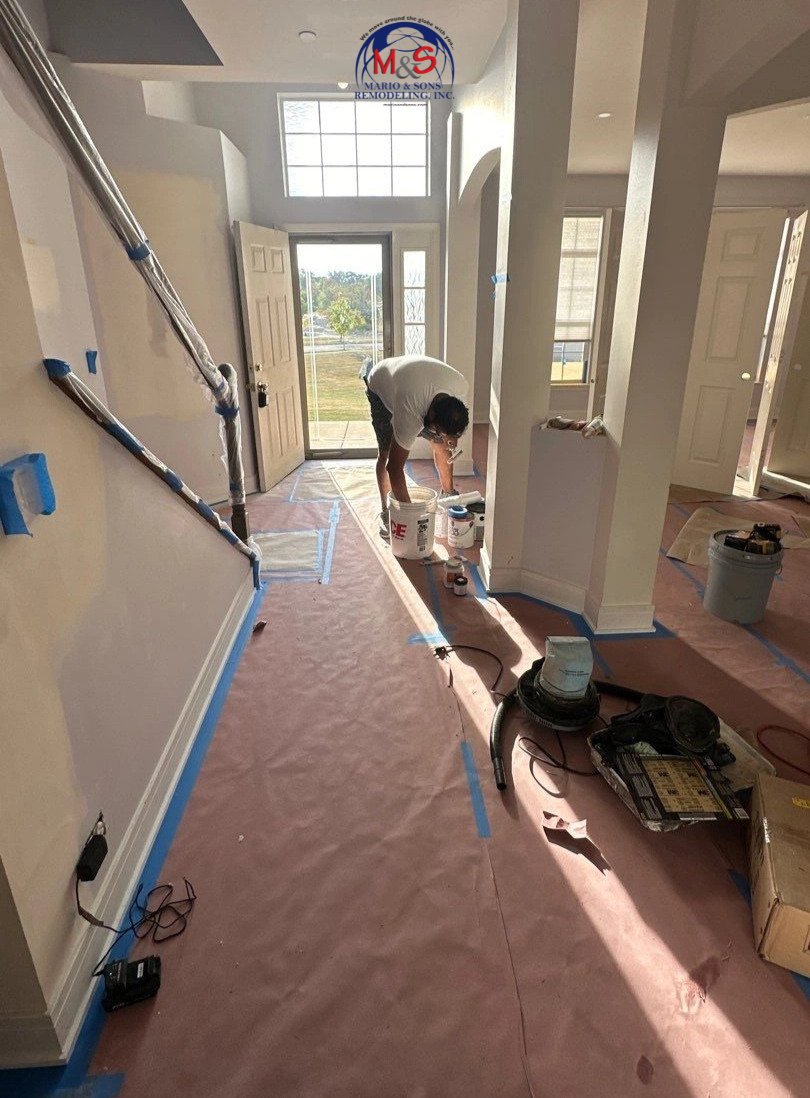
Getting Ready for a Home Renovation
Home renovation can be a rollercoaster of emotions—exciting, rewarding, and sometimes a bit daunting. Whether you’re updating your kitchen, remodeling a bathroom, or reimagining your entire home, knowing what to expect can make the process much smoother. If you’re thinking about teaming up with a general contractor in Palatine, IL, it’s helpful to know how the planning, budgeting, design, construction, and final touches usually play out.
These days, homeowners aren’t just looking for style; they want spaces that are functional, calming, and easy to live in. This means projects often focus on smart layouts, better storage, durable finishes, and personal touches. The remodeling market is still going strong, with many homeowners investing in upgrades even as costs rise. A Houzz & Home Study shows that renovation activity remains high, making clear planning more important than ever.
This guide will walk you through what to expect during a home renovation project from start to finish. You’ll learn how to prepare, what decisions are key, how contractors keep things moving, and how to avoid common delays. Getting help early with a design consultation can save time by aligning your vision, budget, and construction plan before any work kicks off.
Laying the Groundwork: Planning Your Renovation
Getting Your Goals Straight
Planning is where it all starts for a successful renovation. Before tearing down walls or ordering materials, you need to pin down exactly what you want to achieve. Some folks want a more open layout, while others need better storage, lighting, or a modern look. The clearer your goals are from the start, the easier it is for your contractor to find the right approach.
This phase is also where lifestyle factors come into play. A family with young kids might prioritize durable flooring and easy-to-clean surfaces, while someone who hosts a lot might focus on a bigger kitchen island or a flexible living room layout. Recent trends show a shift toward spaces designed for calm and reduced digital distractions, according to Axios.
Setting a Realistic Budget
Budgeting is crucial, and it should happen before you pick out any materials. A practical budget covers construction costs, design choices, permits, labor, and a contingency fund for surprises. Houzz reports that the median renovation budget in 2025 was $20,000, but high-end projects could hit $150,000—so the range is wide, depending on the scope and finishes.
It’s smart to build in a little extra for hidden issues like old wiring or plumbing concerns. For bigger updates, a full home remodeling approach can offer a unified budget strategy because multiple rooms are planned together rather than one at a time. This often makes decisions easier and helps keep the final result cohesive.
Picking the Right Team
Choosing the right professionals can make or break the process. A good general contractor coordinates the schedule, subcontractors, materials, inspections, and communication so you don’t have to juggle it all yourself. This is especially key when projects involve several trades, like electrical, plumbing, framing, tile, and finish carpentry.
If you’re looking for a straightforward start, working with a team experienced in kitchen remodeling, bathroom remodeling, and home repairs can simplify decisions. A qualified contractor should explain timelines clearly, provide transparent estimates, and recommend solutions that balance design goals with durability.
Designing Your Space: What Comes Next
Trends to Consider
Design trends can be inspiring, but they should fit your daily needs. Many homeowners are leaning toward character-rich interiors with warm, natural textures and relaxed layouts. Living rooms are becoming more inviting with book-filled shelves, playful painted cabinetry, layered antiques, and mismatched furniture. These choices add personality while staying practical.
Smaller spaces benefit from “snug” design ideas, using cocooning colors, oversized ottomans, and rich textures to make rooms feel welcoming. During a design consultation, homeowners can explore finishes carefully. Need inspiration? Homes & Gardens highlights several of these interior shifts, showing how renovation decisions increasingly tie to comfort and style.
Picking Durable Materials
Choosing the right materials reduces maintenance and helps your renovation age well. Countertops, flooring, cabinets, and tile should match your household’s habits. A beautiful material that scratches easily might not be ideal if your household is busy.
Sustainable options are also on the rise. Energy-efficient lighting, low-VOC paints, recycled content products, and better insulation can boost comfort and cut future costs. When picking items, think about long-term performance, not just showroom appeal. Professional guidance can be handy, especially when comparing options for kitchen or bathroom projects.
The Importance of Layout
Many renovation projects hinge on layout, not just decoration. A well-designed room improves how people move, cook, gather, and store daily items. If the layout is awkward, even high-end finishes won’t fix the problem. Experienced contractors often start with function first and style second.
A kitchen might need better flow, more counter space, or a reconfigured island. A basement might need better lighting or defined zones for storage and entertainment. Considering a lower-level transformation? Basement remodeling can add substantial usable space while increasing home efficiency.
Getting Ready for Construction
Permits, Approvals, and Inspections
Before construction starts, you might need permits and approvals, depending on the work. Structural changes, electrical updates, plumbing tweaks, and major layout mods often need local review. While it might feel like a delay, it’s crucial for safety and code compliance. Reliable contractors help manage this so you’re not navigating it alone.
Understand that inspection timing can affect the schedule. If an inspector needs to check rough electrical or plumbing work before walls close, the contractor must coordinate that step. The U.S. Department of Energy offers guidance on home improvement topics tied to efficiency and performance, especially handy when planning upgrades that mix aesthetics with energy savings.
Ordering Materials and Planning Logistics
Once the design is approved, materials are ordered, and delivery dates are set. This stage impacts the timeline since special-order items, custom cabinets, and certain fixtures might take weeks or even months to arrive. Good planning reduces downtime and prevents crews from idling while waiting for supplies.
Expect some flexibility around product substitutions or timeline changes if a material becomes unavailable. A good contractor will communicate issues early and suggest alternatives that keep the design intent. This kind of proactive management is what makes a project smooth instead of stressful.
Getting Your Home Ready
Before construction begins, it helps to prepare your living space. Depending on the project, you might need to clear furniture, protect valuables, set up temporary kitchens or bathrooms, and make plans for pets or kids. Dust, noise, and limited access to certain rooms are normal during renovation, so setting expectations early is key.
Reduce disruption by designating a staging area, creating a communication plan with your contractor, and deciding how much of the home will stay accessible. If the project involves key living spaces, ask about sequencing so the most disruptive phases happen logically. This prep can make a big difference in daily comfort.
During Construction: What to Expect
Demolition and Discovery
Demolition is often the most dramatic stage. Walls come down, old finishes are stripped, and the space starts to reveal its true structure. For many homeowners, this is when the vision becomes real. At the same time, demolition can uncover hidden issues like damaged framing, outdated plumbing, or electrical concerns that weren’t visible before.
These surprises are why contingency budgeting matters. A responsible contractor will explain what’s normal and what needs immediate attention if unexpected conditions appear. Rather than treating every issue as a setback, the best teams use discovery as a chance to improve long-term quality.
Rough Construction and System Updates
After demolition, the project moves into structural and mechanical stages. This might include framing adjustments, plumbing reroutes, electrical updates, HVAC changes, and insulation improvements. These tasks aren’t glamorous, but they’re crucial for safety and function.
At this stage, communication between the contractor and homeowner is vital. Changes made now can affect cabinetry, lighting placement, ventilation, and final finishes. If you’re unsure about anything, ask questions to prevent surprises later.
Finish Work and Visible Transformation
Once hidden systems are complete, the visible transformation begins. Drywall, trim, paint, flooring, tile, cabinets, and fixtures start coming together to create the finished room. This is often the most satisfying stage because homeowners finally see their vision taking shape. It’s also when craftsmanship matters most since small details become highly visible.
For bathrooms, design trends in 2026 lean towards bolder personalization, including metallic finishes, chrome accents, and statement tubs. A striking example is the silver bathtub featured in Savannah and LeBron James’s Brentwood home, highlighted by Homes & Gardens. While not every home needs a dramatic centerpiece, this trend shows how a bathroom can feel luxurious without losing function.
Communication, Checkpoints, and Adjustments
Regular Updates Keep Things Moving
Clear communication is a strong predictor of a positive renovation experience. Homeowners should expect regular updates about progress, upcoming decisions, and any schedule changes. A contractor who communicates consistently helps prevent confusion and keeps the project on track.
Progress meetings, photos, and check-ins are useful, especially on longer projects. These touchpoints give homeowners a chance to confirm selections, approve small changes, or ask for clarification. Good communication doesn’t eliminate every issue, but it makes them easier to solve.
Minor Revisions Are Normal
Even with excellent planning, small revisions happen. Maybe a fixture is discontinued, a finish looks different under natural light, or a layout detail needs tweaking once construction begins. The key is not to expect perfection from the first drawing but to expect a process that adapts intelligently.
This is where a contractor’s experience is valuable. A skilled team knows how to recommend practical alternatives without derailing the overall design. For those who prefer a more hands-on planning process, design consultation can help identify these issues before construction starts, reducing mid-project changes.
Staying Involved Without Micromanaging
The best homeowner-contractor relationships strike a balance between involvement and trust. You should stay informed, ask questions, and approve major decisions, but you don’t need to oversee every step. Micromanaging can slow down the work and create unnecessary stress.
Instead, establish a clear communication rhythm. Decide who the main contact is, how often updates will happen, and how change requests will be handled. This allows the contractor to manage the day-to-day work while you stay confident that the project is moving in the right direction.
Budget, Timeline, and Real-Life Disruptions
Understanding Timelines
Timeline expectations depend on project size, material availability, permit requirements, and weather if exterior work is involved. A simple bathroom update may move quickly, while a full home renovation can take several months. It’s better to ask for a realistic schedule than to focus only on the fastest possible completion date.
Many homeowners underestimate the time needed for planning, ordering, and approvals. The actual construction window may be just part of the overall timeline. Patience during the early stages usually leads to better results.
Reducing Stress During Renovation
Renovation can disrupt routines, so planning helps. Create temporary solutions for cooking, bathing, storage, and family schedules if the project affects daily living spaces. If the work is extensive, consider whether short-term relocation makes sense for the most disruptive phases.
Noise, dust, and limited access are part of the process, but they should be managed professionally. Contractors should use protection measures, maintain a clean worksite when possible, and communicate when particularly messy work is scheduled. These practices make the process easier to live through and reduce chaos.
Why Contingency Funds Are Essential
Contingency funds aren’t just for emergencies; they’re a practical tool for managing uncertainty. Older homes, especially, can reveal hidden issues once walls or floors are opened. Even when the project is carefully scoped, unexpected repair needs can arise. Setting aside a reserve allows you to address these issues without derailing the entire project.
If repairs are needed before or during the renovation, home repairs can address smaller concerns like trim, drywall, fixtures, and door adjustments that often arise as part of larger work. That can help keep the remodel focused and avoid compounding small problems.
Local Priorities for Homeowners in Palatine and Nearby
Comfort, Efficiency, and Livability
In many local neighborhoods, homeowners focus on practical improvements that make homes easier to enjoy year-round. That often means better layouts, improved insulation, more efficient windows or fixtures, and finishes that hold up well to daily life. This approach balances design appeal with long-term value.
Regional preferences also matter. Natural materials, warm tones, and clean but comfortable design choices are popular because they fit a wide range of home styles. Whether the project is a kitchen, bathroom, or whole-home update, the goal is usually the same: create a space that feels fresh, durable, and easy to use.
How Contractors Support the Whole Project
General contractors do more than coordinate labor. They help with planning, sequencing, quality control, and problem-solving throughout the project. This becomes especially important when multiple rooms are updated at once or when design decisions affect more than one trade.
For homeowners wanting a more comprehensive transformation, full home remodeling can bring several updates under one vision. For smaller but still meaningful changes, kitchen, bathroom, or basement projects can be planned to match the home’s existing structure while improving how every space works.
Why Local Knowledge Matters
Working with a contractor familiar with local expectations can make the process smoother. Local knowledge helps with scheduling, permit coordination, and understanding the kinds of finishes and layouts that suit the area’s homes. It also supports faster communication and more realistic planning.
For homeowners who want a practical, community-aware approach, Mario & Son’s Remodeling serves families looking for reliable renovation support. As a general contractor in Palatine, the company focuses on craftsmanship, communication, and solutions that fit how people actually live.
FAQ: Common Home Renovation Questions
How Do I Know If I Should Remodel Now or Wait?
If a space no longer works for your daily routine, waiting can sometimes cost more in the long run. Worn finishes, inefficient layouts, and recurring repair issues are signs that a renovation may be worthwhile now. On the other hand, if your goals are unclear, a planning conversation can help you decide whether to proceed immediately or phase the work over time.
What Should I Do If I Want a More Energy-Efficient Home?
Focus on insulation, lighting, appliances, windows, and air sealing where appropriate. Energy-efficient improvements can make spaces more comfortable and may reduce utility costs over time. Government resources such as the Energy Saver website are useful for understanding which upgrades may offer the best long-term return.
Is It Better to Renovate One Room at a Time or All at Once?
That depends on budget, urgency, and how connected the spaces are. Room-by-room renovations can be easier to finance, but whole-home planning may produce a more consistent style and workflow. If you are unsure, discuss both options with your contractor so you can compare cost, disruption, and timing.
How to Finish Strong After the Work Is Done
Final Walkthrough and Punch List
Before wrapping up, a final walkthrough helps identify any remaining touch-ups or corrections. This list, often called a punch list, may include paint touch-ups, hardware adjustments, minor alignment fixes, or cleanup items. It’s the final quality check before the renovated space becomes part of everyday life.
Take this stage seriously and review the space carefully. Look at surfaces in natural light, open doors and drawers, test fixtures, and confirm that every agreed-upon detail has been completed. A thorough walkthrough protects your investment and gives the contractor a clear final checklist.
Post-Renovation Maintenance Tips
After the project is complete, proper care keeps the new space looking and performing well. Follow manufacturer instructions for cleaning surfaces, maintaining grout, caring for wood finishes, and servicing fixtures. Small habits now can extend the life of your renovation and preserve its appearance.
It’s also smart to keep records of paint colors, product model numbers, warranty information, and contractor details. If a future repair or upgrade is needed, having that information available saves time and reduces guesswork.
When to Plan Your Next Project
Many homeowners discover that once one renovation is complete, other parts of the home feel ready for improvement too. That doesn’t mean you need to rush into another project right away. Instead, use the completed renovation as a guide for what worked, what you would change, and what priority should come next.
If your next step is a targeted upgrade, consider whether a basement remodeling, kitchen, or bathroom project would add the most value to your routine. By approaching each phase thoughtfully, you can improve the home over time without overwhelming your budget or schedule.
Conclusion: Preparation Makes a Smooth Renovation
Home renovation is a process, not just a one-time event. From the first planning conversation to the final punch list, each stage plays a role in how successful the outcome will be. When you understand budgeting, design decisions, material selection, construction milestones, and communication expectations, the project becomes much easier to navigate.
The biggest takeaway is that preparation reduces stress. A realistic budget, a clear design plan, and a skilled general contractor can help turn a complicated renovation into a rewarding experience. Ready to start? Check out our design consultation or learn more about our full home remodeling services to start planning your next transformation with confidence. Mario & Son’s Remodeling is here to help you create a home that feels better, works better, and lasts longer.